Pioneer SX-3600
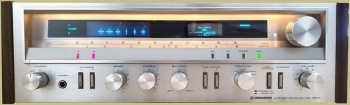
Introduced in 1980, the Pioneer SX-3600 is a stylish receiver incorporating aspects of both digital and analog engineering. It was in the middle of the Pioneer performance ladder, and retailed for an affordable $275, but …
Vintage Receivers From The 70s and 80s
Introduced in 1980, the Pioneer SX-3600 is a stylish receiver incorporating aspects of both digital and analog engineering. It was in the middle of the Pioneer performance ladder, and retailed for an affordable $275, but …
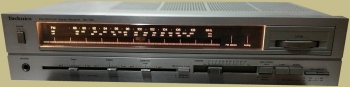
The Technics SA-110 is a low budget receiver that debuted in 1983 for $160. Its rated output is 20 watts per channel with total harmonic distortion of 0.5%. It has a small profile at around …
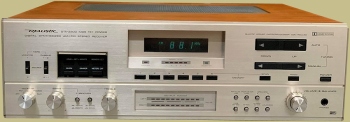
The Realistic STA-2200 receiver debuted in 1980 at a retail price of $599.95. It was sold by Radio Shack both in stores and via mail order. While it was designed in the US, it was …
The Marantz Model 22, or Twenty Two, was the first all solid state receiver from Marantz. It was also the first Marantz receiver to have an AM tuner. Introduced in 1969 at a retail price …
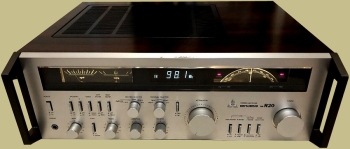
The Mitsubishi DA-R20 receiver debuted in 1980 at a retail price of $560. It was Mitsubishi’s first foray into receivers. Previously they had only built separate components. The DA-R20 is a hybrid design with some …
The Pioneer SX-50 was introduced in 1983 and had a retail price of $380. It is a computer controlled stereo receiver and embraced emerging audio technologies, supporting TV audio inputs and also anticipating the rise …
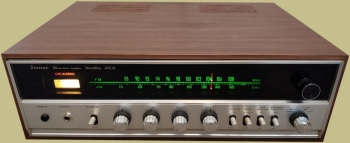
The Sansui 350A was a budget receiver introduced by Sansui in 1970. It is all solid state and produces just 20 watts per channel. It was offered at a retail price of just $199.95. Given …
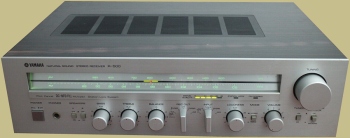
The Yamaha R-500 receiver was released in 1981 as part of Yamaha’s popular R-Series line. At the lower end of the R-Series lineup, the R-500 provided adequate power at 40 watts per channel and all …
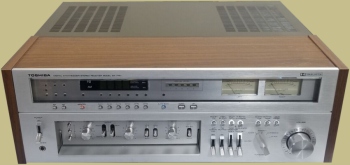
The Toshiba SA-7150 was a high-quality stereo receiver that was released in 1978, during the era of powerful “Monster Receivers”. It produces 150 watts per channel and retailed for a hefty $1100 at the time. …
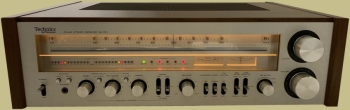
The Technics SA-700 receiver debuted in 1978 and was at the higher end of the Technics receiver lineup at the time. It’s rated at a hefty 100 watts per channel and retailed for a price …
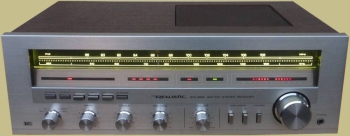
The Realistic STA-850 receiver debuted in 1982 at a retail price of $379.95 and was their mid-range offering at the time. It produces 50 watts per channel and has clean, sleek styling. The STA-850 was …
The Sony STR-V7 is a sleek and powerful vintage receiver that was first introduced in 1978. At 150 watts per channel it is a classic monster receiver. As the flagship model of Sony’s STR receiver …
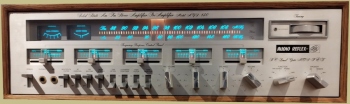
The Audio Reflex AGS-150 receiver is an interesting piece of audio equipment. It was designed and manufactured by AGS Electronics Limited for Audio Reflex and introduced in 1976. While not well known, it has an intriguing …
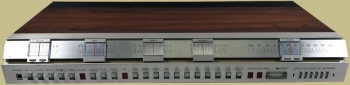
The Bang & Olufsen Beomaster 4400 receiver was introduced in 1977 and was on the market until about 1980. It was Bang & Olufsen’s flagship stereo receiver at the time. It incorporated several technical innovations …
The Yamaha CR-800 receiver made its debut in 1974 with a retail price of $580.00. It was number 2 in the Yamaha lineup just behind the top of the line CR-1000. It produces 45 watts …